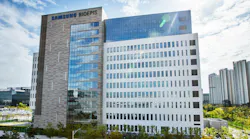
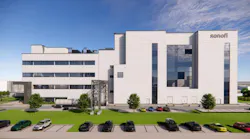
The collaboration establishes a U.S.-Asia-Pacific manufacturing network to support regional production, streamline tech transfer, and accelerate global clinical supply.
The CDMO’s service provides pre-cleaned and sterilized single-use assemblies to reduce contamination risk and streamline validation in bioprocessing operations.
The company’s Viralgen facility will supply high-purity AAV drug product using a large-scale suspension process to support clinical manufacturing and trial expansion.
The collaboration links site-specific conjugation technology with GMP manufacturing to support tech transfer, scale-up, and commercial production of ADCs.
The companies said the NMR-based process analytical technology approach could improve scalability and reduce the complexity of RNA vaccine manufacturing.
The CDMO added cleanrooms, quality control labs, and digital systems to support commercial-scale production, validation, and release of cell therapy products.
The collaboration integrates radiopharma manufacturing with antibody platforms to support scalable production and development of targeted oncology therapies.
The St. Louis site adds integrated GMP-aligned microbial and ICH-compliant stability testing to improve turnaround times and data visibility, according to the company.
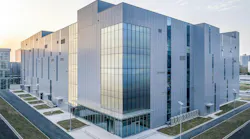
The Hangzhou facility achieved licensure just two months after qualification and will hold a total capacity of 172,000 liters upon completion, according to the announcement.
The engineering campaign validated the company’s expanded mammalian manufacturing suites for late-stage and commercial biologics production at its San Diego site.
The reorganization establishes a dedicated contract development and manufacturing organization subsidiary while streamlining its therapeutics development business.
The agreement is intended to accelerate an IND filing for Akari’s lead antibody-drug conjugate program targeting metastatic urothelial cancer by late 2026.
The Toa Baja facility is designed to the same standards as the company’s existing Taichung, Taiwan manufacturing site and is to begin operations in 2027.
The functionally closed system is designed to reduce manual intervention and improve batch-to-batch consistency in cell therapy formulation and filling workflows.
The platform is designed to help biologics developers accelerate time to clinic, while supporting scalability and regulatory compliance, according to the company.